Vitamin C is like your immune system’s best buddy. This powerhouse vitamin helps keep your body fighting fit, especially when it feels like everyone around you is catching colds. You might be wondering, what’s the big deal? Let’s dive in!
First off, vitamin C plays a crucial role in supporting your white blood cells, which are your body’s defense team. These cells are vital for warding off infections, and they need vitamin C to do their jobs properly. When you get enough vitamin C, you boost their ability to tackle germs and viruses. Think of it as giving your immune team a pep talk!
Not only that, but vitamin C is also known for its antioxidant properties. That just means it helps protect your cells from damage caused by free radicals, which can harm your body and weaken your immune response. By keeping those cells healthy, you’re giving your body a better chance to fight off illness.
You can snag vitamin C from a ton of yummy foods! Fruits like oranges, strawberries, and kiwi are great sources. Veggies like bell peppers, broccoli, and spinach also pack a vitamin C punch. Just soaking up those delicious bites can help keep your immune system happy.
So, if you want to keep your defenses strong, loading up on vitamin C is a smart move. Why not grab a tasty citrus or whip up a refreshing smoothie today? Your immune system will thank you!
Top Sources of Vitamin C You Should Try
Vitamin C is a superhero when it comes to boosting your immune system. You can find this powerhouse nutrient in plenty of delicious foods. Let’s check out some top sources you should try!
Incorporating these vitamin C-rich foods into your diet can help ramp up your immune defenses. Enjoy them in various meals and snacks, and your body will thank you!
How Much Vitamin C Do You Need
Vitamin C is a superstar when it comes to boosting your immune system. But how much do you really need? Well, that can depend on a few factors, like your age, gender, and overall health. The general recommendation for adults is around 65 to 90 milligrams per day. If you’re trying to fend off a cold or just want to stay well, hitting that daily dose is a great starting point.
For pregnant women, the need goes up a bit, with recommendations sitting around 85 milligrams. Breastfeeding moms might need even more, hitting around 120 milligrams daily. Kids also need their vitamin C, but the amount varies: from 15 milligrams for toddlers to 75 milligrams for teenagers.
If you’re feeling under the weather, it might be tempting to double or triple your intake. Some studies suggest that higher doses—up to 1,000 milligrams—can be helpful during colds, but always check with a healthcare provider before loading up on vitamins. It’s important to balance what you take, as too much vitamin C can lead to tummy troubles.
Keep in mind that you can meet your vitamin C needs through a mix of tasty foods. Citrus fruits, strawberries, bell peppers, and broccoli are all packed with this awesome vitamin. So, make sure you incorporate these goodies into your meals for an easy, delicious way to stay healthy!
Tips for Adding Vitamin C to Your Diet
Adding Vitamin C to your diet can be a breeze! Here are some friendly tips to help you crank up your intake and keep that immune system humming.
First off, think colorful. Fill your plate with fruits and veggies that pack a Vitamin C punch. Citrus fruits like oranges, lemons, and grapefruits are obvious choices, but don't forget about strawberries, kiwi, and bell peppers. These vibrant foods can make your meals both tasty and nutritious.
If you’re on the go, try snacking on dried fruit, like apricots or cranberries. They’re easy to toss in your bag and can really boost your Vitamin C levels. Also, a smoothie loaded with spinach, kale, and your favorite fruits is a delicious way to sneak in those vitamins while enjoying a refreshing drink.
Cooking can affect Vitamin C content, so be mindful. Steaming veggies is a great way to keep the nutrients intact compared to boiling. Add a squeeze of lemon juice on top of your dishes for that extra zing and Vitamin C boost!
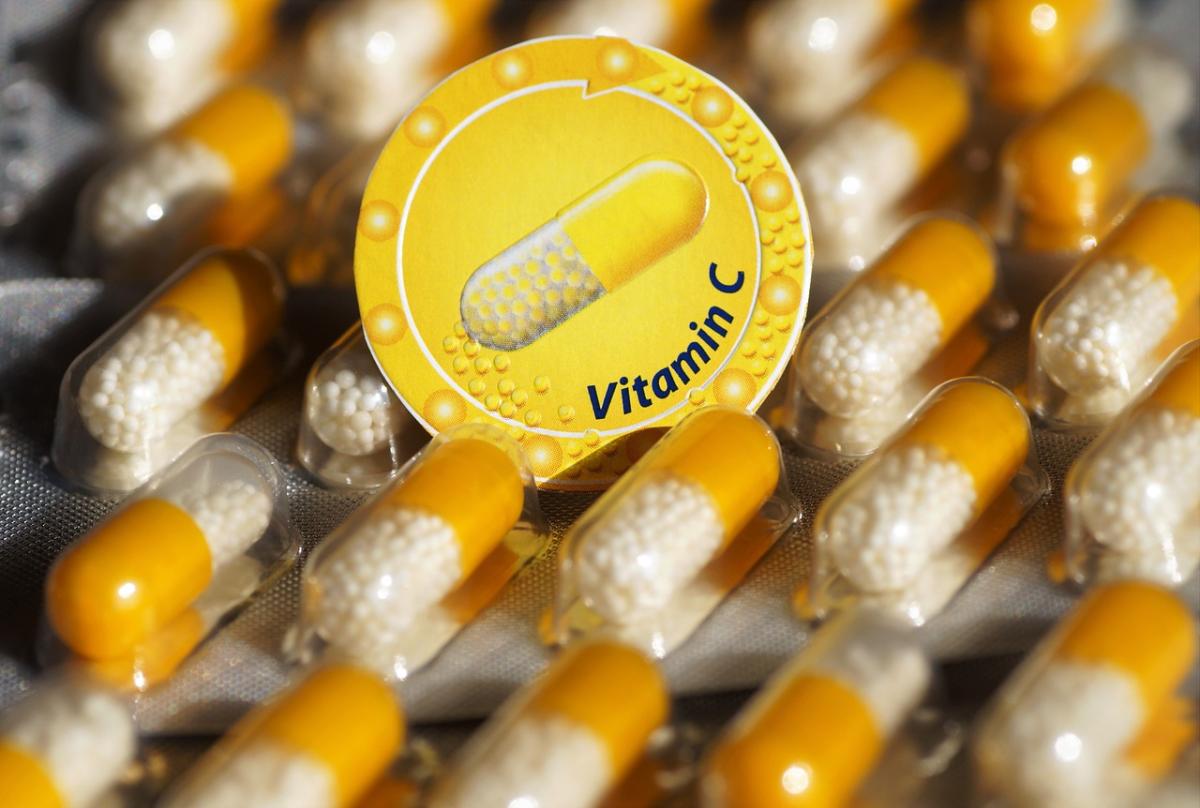
Lastly, consider a Vitamin C supplement if you feel like your diet isn’t cutting it. Just check with your doctor first to see what works best for you. Keeping your Vitamin C levels up is key, especially during the cold and flu season, so make these tips part of your daily routine!